Mental Health
Stress
A natural mechanism, adaptive for people
to the environment that surrounds them.
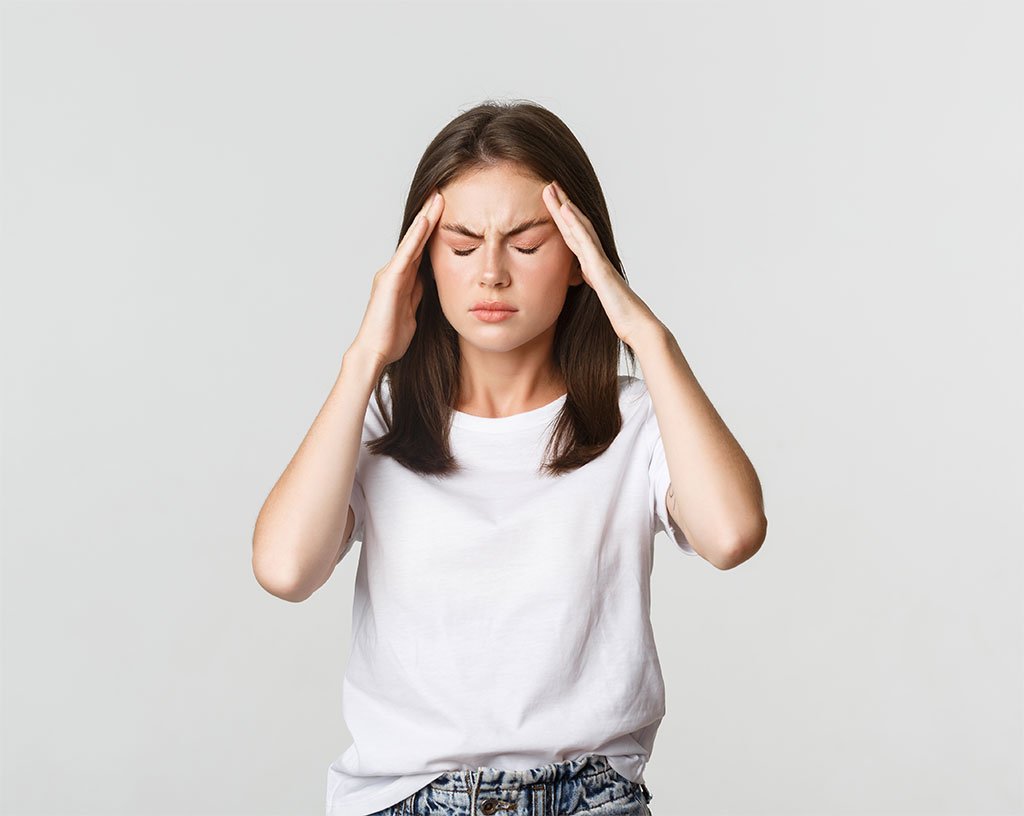
Stress helps us react to new, demanding or dangerous situations. The problem arises when this situation continues over time and stress is no longer just a temporary reaction, leading to negative consequences.
Stress does not only mean being worried; it is behind many problems that cause discomfort and affect our quality of life. It can cause or worsen other conditions and may even be confused with illnesses.
The effects of stress may include:
Emotional:
Irritability, restlessness, agitation, anger, anxiety, sadness and depression.
Cognitive:
Memory loss, concentration problems, constant worrying thoughts and a tendency to perceive only the negative.
Behavioral:
Changes in eating habits, sleep disorders, lack of sexual desire.
Physical and involuntary:
Hair loss and skin problems, tension, muscle pain, headaches, dizziness, lack of energy, fatigue, nausea, stomach discomfort, chest pain, increased heart rate and breathing rate.
The most direct and common effect of prolonged stress is anxiety. While stress is the body’s reaction to a stressful situation, anxiety, on the other hand, continues even after the stressful situation has disappeared.
Chronic stress can trigger anxiety, although anxiety may also appear without an apparent cause.
Anxiety is a physiological response derived from the continuous activation of the sympathetic branch of the autonomic nervous system (ANS) in our body. Anxiety is not an emotional state, nor a feeling; it has specific symptoms, although these may manifest differently in each person. If the situation persists, symptoms of depression may appear as a result of emotional exhaustion.
Uncontrolled stress can contribute to many health problems
For this reason, when symptoms of stress appear, it is important to explore strategies to manage it, such as engaging in regular physical activity, practicing relaxation techniques, setting aside time for leisure activities, getting enough sleep, and maintaining a healthy and balanced diet.
It is advisable to seek professional help when experiencing these symptoms, as there are therapeutic and medical resources available to address this situation.
Sleep Disorders
Sleep disorders are a group of disturbances that occur during the different stages of sleep, preventing proper, continuous and restorative rest.
Episodes may appear and disappear. They can last between 2 and 3 weeks (short term) or be long-lasting (chronic).
During sleep, the brain, through the lymphatic system, eliminates toxins, which is very beneficial for preventing mental illnesses or cognitive decline.
The Spanish Society of Neurology (SEN) estimates that around 28–45% of the Spanish adult population suffers from this disorder, and most people do not consult a specialist because they are unaware that it is a disorder.
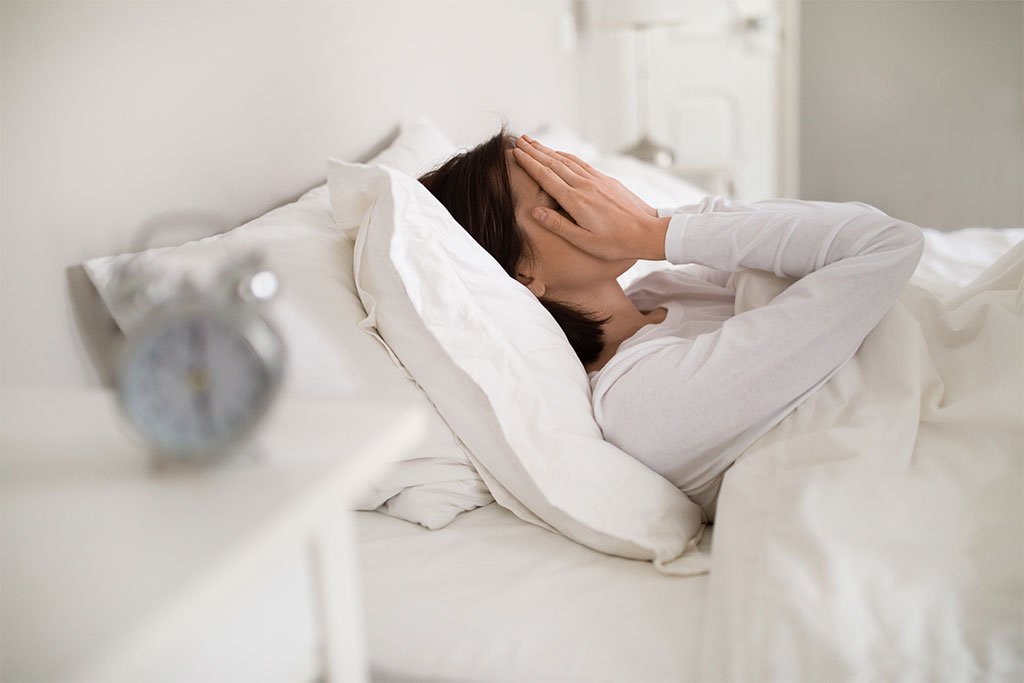
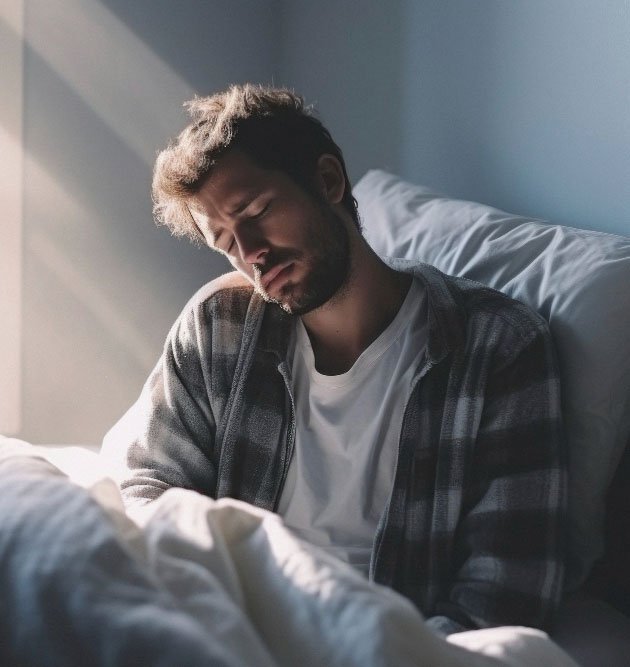
There are more than 100 different types of sleep disorders, which are grouped into four categories:
- Problems falling asleep and staying asleep
- Problems staying awake
- Problems maintaining a regular sleep schedule
- Unusual behaviors during sleep
The general symptoms are usually physical exhaustion, low performance and daytime sleepiness, although other non-specific symptoms may also appear depending on the type of sleep disorder:
- Restless legs
- Sleepwalking
- Nightmares
- Insomnia
- Hypersomnia
- Narcolepsy
- Snoring and sleep apnea

These disorders are a cause for concern due to their impact on daily life, mood, and physical and intellectual performance; difficulty fulfilling responsibilities, low performance, poor concentration, memory loss, and generalized exhaustion.

Their origin is very varied. They may appear as a result of other diseases or may constitute risk factors that favor the development of other conditions.
The SEN emphasizes that sleep health is important both in the short and long term, and that a habitual lack of rest increases the risk of overweight, hypertension and other diseases, in addition to affecting overall well-being, mood and quality of life.