Dysbiosis and Intestinal Permeability
The microbiota or intestinal flora is essential for living beings.
Its microorganisms protect us against invasion by pathogenic agents and support the development of the immune system, as well as contribute to the digestion of dietary components and to neurological development in the early stages of life.
It is the most important element in the regulation of the local and systemic inflammatory response. This depends both on the bacteria themselves—their correct distribution, location and quantity—as well as on the metabolites they produce. Natural variations occur, associated with changes in diet, medications, stress, etc. These fluctuations can gradually deteriorate the microbial balance and evolve into dysbiosis.
Essentially, a loss of microbiota occurs (protective, immunomodulatory and muconutritive bacteria), reducing microbial diversity and thereby promoting the overgrowth and expansion of specific bacterial groups that, under these circumstances, behave as facultative pathogens.
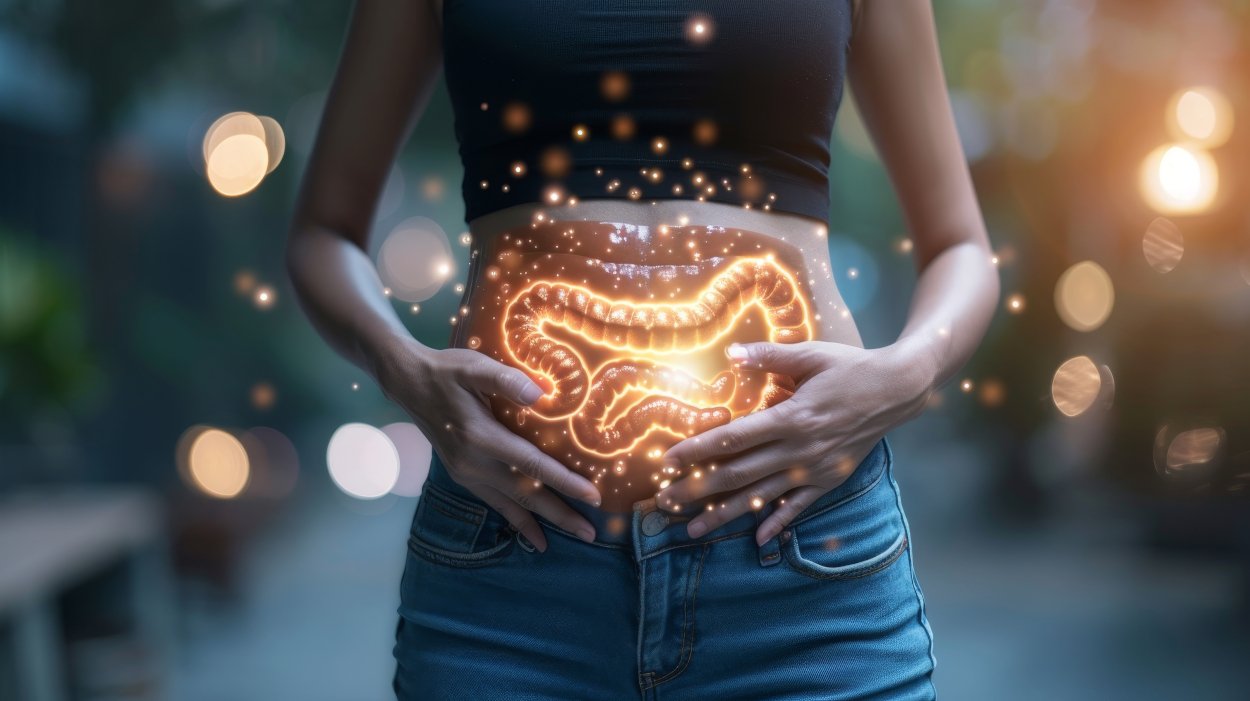
Recent scientific studies suggest that intestinal dysbiosis may be associated with many types of diseases: digestive, gynecological, allergic, dermatological and metabolic.
Dysbiosis allows, contributes to, and promotes the possible development of alterations in the immune system and increased intestinal permeability.
Leaky Gut Syndrome
It is an alteration of the wall of the small intestine that allows potentially harmful and/or toxic substances and microorganisms to pass through this barrier and reach the bloodstream.
The causes of increased intestinal permeability may include stress, an inadequate diet, lack of sleep, etc.
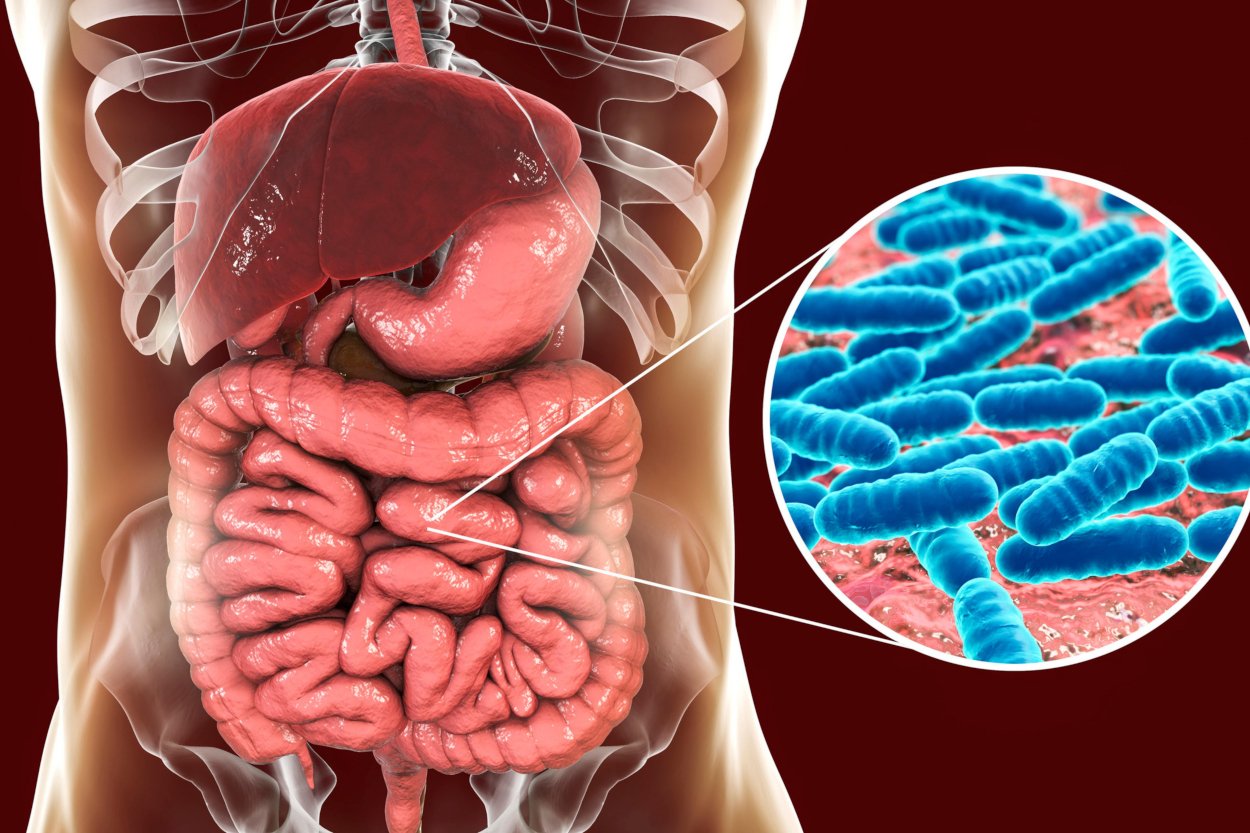
They cause inflammation in the intestinal mucosa and may lead to a decrease in immune defenses. It may also be due to diseases affecting the intestinal wall itself, such as ulcers, Celiac Disease, Inflammatory Bowel Disease, gastritis, food intolerances, and irritable bowel syndrome, among others.
To address this, the first step is to identify the cause of the increased permeability and treat it. The patient should also try to reduce stress, engage in physical exercise, drink plenty of water as a natural cleanser, improve sleep hygiene, follow a balanced diet, and do everything possible to strengthen the immune system.
In recent years, many neurological diseases and mental health disorders have been linked to alterations in the microbiota–gut–brain axis, a bidirectional communication system in which the intestinal microbiota interacts with homeostatic systems (nervous, endocrine and immune) in the intestine and, from there, communicates with the brain through different pathways, influencing its functioning.