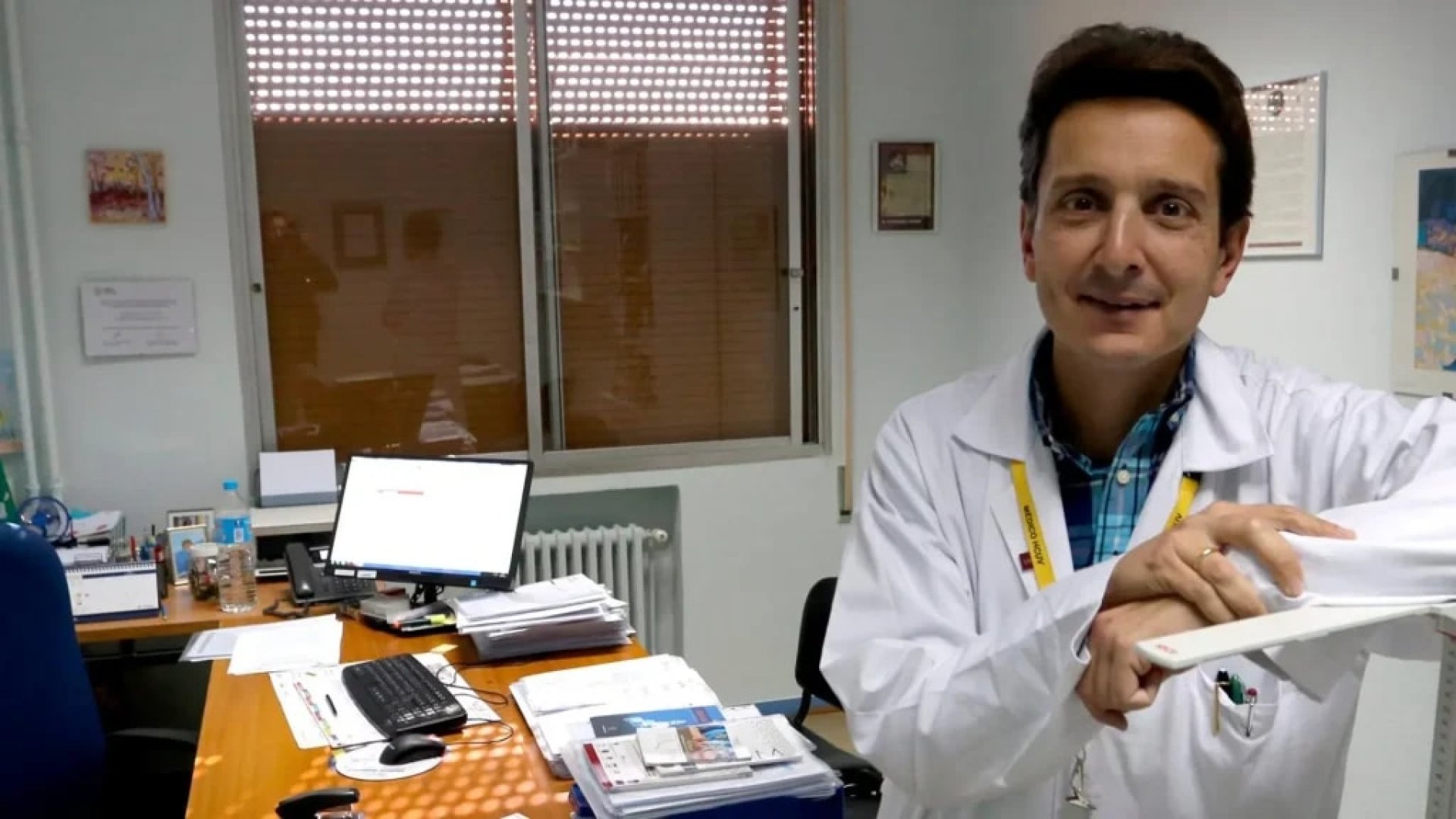
Professor Daniel de Luis Román, Professor of Endocrinology and Nutrition at the University of Valladolid and principal investigator of the study, was awarded the prestigious prize from the Centre for Endocrinology and Nutrition Research.
The Centre for Endocrinology and Nutrition Research (CIENC) at the University of Valladolid has announced the winners of its prestigious IEN Awards, which focus on original works published in 2022. On this occasion, the main award was given to Professor Daniel de Luis Román for his work entitled ‘Impact of an oral nutritional supplement enriched in leucine, EPA, DHA, and β-glucans on the increase of muscle mass in patients with cancer and malnutrition: The alisenoc trial.’
The study, led by Dr. de Luis, who is also Head of Endocrinology and Nutrition at the University Clinical Hospital of Valladolid, was published in the prestigious Journal of Functional Foods 2023, and focuses on the importance of nutritional supplements based on specific immunonutrients in the diet of cancer patients. To this end, the study was based on a nutritional supplement specifically formulated for cancer patients, enriched with leucine, omega-3 fatty acids (EPA and DHA) and beta-glucans, developed by the Spanish pharmaceutical laboratory Adventia Pharma.
The ALISENOC clinical trial has demonstrated that the specific nutritional supplement enriched with leucine, omega-3 fatty acids and beta-glucans is a valuable resource for improving muscle mass levels and contributing to the recovery of nutritional and functional status in cancer patients with malnutrition. According to the findings of the clinical trial, the specific nutritional supplement regimen, enriched with leucine, omega-3 and beta-glucans, significantly improves muscle mass levels, thus contributing to the recovery of patients' nutritional status. More specifically, the clinical trial determined that the increase in appendicular skeletal muscle mass was exclusively associated with the intake of the supplement enriched with leucine, omega-3 and beta-glucans, which was not obtained with a supplement with the same energy and protein content but without these specific nutrients.
Malnutrition is a common concern in cancer patients, with a prevalence that can reach 80-90% in advanced stages of the disease. It is essential that cancer patients with malnutrition receive specific nutritional support that promotes the recovery of their nutritional status, improves their body composition and promotes their functional recovery so that they can carry out their daily activities.
The ALISENOC clinical trial was co-funded by the Centre for Industrial Technological Development and involved the collaboration of several Spanish hospitals: Virgen del Rocío University Hospital (Seville), A Coruña University Hospital Complex, Asturias Central University Hospital, Canary Islands University Hospital Complex and La Paz University Hospital.